Showing posts with label dentist. Show all posts

Wednesday, 1 October 2014

Dentist: Doctors of Oral Health

Learn more about what the American Dental Association has to say about the role played by Dentists!


The above video is found on the American Dental Association YouTube Channel.

Dentists Monroe CT 
John Fatse, DMD LLC & John Scovic, DDS
324 Elm Street, Suite 202A
Monroe, CT 06468
Tel: (203) 268-5051

Saturday, 17 May 2014

Top Dental Symptoms: Sensitive Teeth

If your teeth hurt when you drink hot or cold beverages, you may have sensitive teeth. This can be the result of tooth decay, fractured teeth, worn fillings, gum disease, worn tooth enamel or an exposed tooth root due to gum recession. Treatment will depend on the source of sensitivity. If you’re concerned about the sensitivity of your teeth see your dentist for diagnosis and treatment options.

Above article from: MouthHealthy.org 


Dentists Monroe CT
John Fatse, DMD LLC & John Scovic, DDS
324 Elm Street, Suite 202A
Monroe, CT 06468
Tel: (203) 268-5051

Saturday, 3 May 2014

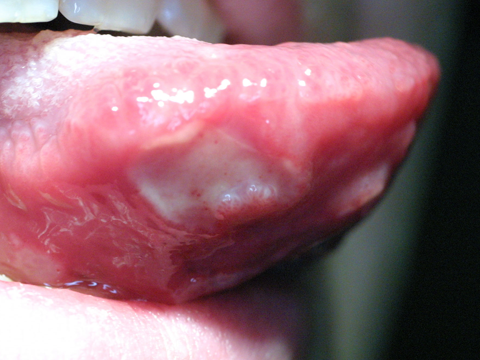
Top Dental Symptoms: Mouth Sores

Types of mouth sores include canker sores, cold sores, leukoplakia and candidiasis. They vary in their severity and causes. Mouth sores could be the symptom of a disease or disorder; infection from bacteria, viruses or fungus or result from irritation caused by braces, dentures or the sharp edge of a broken tooth or filling. Your dentist should examine any mouth sore that lasts a week or longer.

Above article from: MouthHealthy.org

 
Dentists Monroe CT
John Fatse, DMD LLC & John Scovic, DDS
324 Elm Street, Suite 202A
Monroe, CT 06468
Tel: (203) 268-5051
Wednesday, 9 April 2014

Top Dental Symptoms: Cracked or Broken Teeth

A cracked or broken tooth can happen for a variety of reasons- brittle teeth, teeth grinding, injury. The crack may be invisible to the naked eye and even X-ray, but they can be incredibly painful and create bigger problems if left untreated. If you experience pain when chewing see your dentist. They can diagnose the cause and develop a plan for treatment.

Above article from: MouthHealthy.org


Dentists Monroe CT
John Fatse, DMD LLC & John Scovic, DDS
324 Elm Street, Suite 202A
Monroe, CT 06468
Tel: (203) 268-5051

Wednesday, 8 January 2014

How Enamel Protects Your Teeth

What Causes Tooth Enamel Damage?
Enamel is kind of like the shell of an egg: it protects the softer, more vulnerable part of the tooth inside.
But unlike an eggshell, the thin layer of enamel is tough.

In fact, enamel is the hardest substance in the body. It can withstand decades of biting, chewing and crunching -- with some luck and good dental care.

Above article from: WebMD.com/oral-health


Dentists Monroe CT
John Fatse, DMD LLC & John Scovic, DDS
324 Elm Street, Suite 202A
Monroe, CT 06468
Tel: (203) 268-5051

Friday, 16 August 2013

For The Sake Of Your Heart-Clean Your Teeth


Perhaps, you have heard that conditions like high blood pressure, cholesterol, diabetes, smoking, being  overweight, being physically inactive, and having a family history of early heart disease exposes one to the risk of having a heart attack.

While certain risk factors cannot be changed, it is important to realise that you do have control over many others regardless of your age, background, or health status. Protecting your heart can be as simple as taking a brisk walk, taking healthy vegetable soup, maintaining a healthy weight and regularly but properly brushing your teeth.

Read the entire article: http://www.floss.com/for-the-sake-of-your-heart-clean-your-teeth.html

By:Brian Ssenoga


Full Article and embedded video appeared on www.Floss.com

Dentists Monroe CT
John Fatse, DMD LLC & John Scovic, DDS
324 Elm Street, Suite 202A
Monroe, CT 06468
Tel: (203) 268-5051

Thursday, 15 August 2013

Dental Emergencies


BROKEN TOOTH
Rinse dirt from injured area with warm water. Place cold compresses over the face in the area of the injury. Locate and save any broken tooth fragments. Immediate dental attention is necessary.


BLEEDING AFTER BABY TOOTH COMES OUT
Fold and pack a clean gauze or cloth over the bleeding area. Have the child bite on the gauze with pressure for 15 minutes. This may be repeated once; if bleeding persists, see a dentist.


PERMANENT TOOTH THAT IS KNOCKED OUT
Clean the area around the sore tooth thoroughly. Rinse the mouth vigorously with warm salt water or use dental floss to dislodge trapped food or debris. DO NOT clean or handle the tooth unnecessarily. Try to reinsert it in its socket. Have the child hold the tooth in place by biting on a clean gauze or cloth. If you cannot reinsert the tooth, transport the tooth in a cup containing milk or water. See a dentist IMMEDIATELY! Time is a critical factor in saving the tooth.


BROKEN BRACES AND WIRES
If a broken appliance can be removed easily, take it out. If it cannot, cover the sharp or protruding portion with cotton balls, gauze or chewing gum. DO NOT remove it. Take the child to a dentist immediately. Loose or broken appliances that do not bother the child usually do not require emergency attention.


CUT OR BITTEN TONGUE, LIP, OR CHEEK
Apply ice to bruised areas. If there is bleeding, apply firm but gentle pressure with a clean gauze or cloth. If bleeding does not stop after 15 minutes and if it cannot be controlled by simple pressure, take the child to a hospital emergency room.


Article appeared on www.Floss.com

John Fatse, DMD LLC & John Scovic, DDS
324 Elm Street, Suite 202A
Monroe, CT 06468
Tel: (203) 268-5051

Tuesday, 18 December 2012

Bottled Water - Things That Can Ruin Your Smile


Tap water often contains fluoride—about 60% of people in the U.S. have fluoride in their water supply.
However, most bottled waters contain less fluoride than recommended for good oral health (it will be listed as an ingredient on the label if it is an additive).
"Fluoride makes the entire tooth structure more resistant to decay and promotes remineralization, which aids in repairing early decay before damage is even visible," explains Academy of General Dentistry spokesperson, Charles H. Perle, DMD, FAGD. "Studies have confirmed [that] the most effective source of fluoride is water fluoridation."

Above article by: Kristin Koch, Health.com

 Monroe Dentists 
John Fatse, DMD LLC & John Scovic, DDS
324 Elm Street, Suite 202A
Monroe, CT 06468
Tel: (203) 268-5051

Tuesday, 16 October 2012

Diet and Oral Health


Cut the sugar, grab the milk!

Each time you eat a snack containing sugar or starch (carbohydrates), the resulting acid attack on your teeth can last up to 20 minutes, and a lot of snacks and drinks contain sugar. How much sugar? A single can of pop contains up to 10 teaspoons of sugar, and if you think that natural sugar (like the sugar in raisins or other fruit) is better for your teeth it’s not. Sugar is sugar, and the average Canadian consumes over 40 kilograms of sugar each year! Click here for a list of how much sugar your favorite snack might contain.

How can you defeat the sugar bug?


Beat the Clock - foods that are eaten during a meal usually pose less of a threat to teeth because of the additional saliva produced during mealtime eating. Saliva helps to wash food particles from your mouth and lessen the damage from acid.


Brush & floss those teeth - toothbrushing is important, and you should brush twice a day. Did you know that if you don’t floss, you miss cleaning up to 35% of each tooth? If you’re not sure how to floss, just ask your dentist.


Stock up on Dairy Products - yogurt and cheese, milk and milk products contain things that are good for your teeth. Everything that’s made from milk is a good source of calcium - an essential nutrient for the development of bones and teeth. Some scientific studies have shown that eating cheese might actually help to protect your teeth from cavities by preventing something called demineralization (the loss of important calcium in your teeth).


Above article from HealthTeeth.org


 Monroe Dentists 
John Fatse, DMD LLC & John Scovic, DDS
324 Elm Street, Suite 202A
Monroe, CT 06468
Tel: (203) 268-5051

Friday, 7 September 2012

Dental Root Canals


Root canal treatment is necessary when the pulp (soft tissue inside your teeth containing blood vessels, nerves and connective tissue) becomes inflamed or diseased. During root canal treatment, your dentist or endodontist (a dentist who specializes in treating the insides of teeth) removes the diseased pulp. The pulp chamber and root canal(s) of the tooth are then cleaned and sealed. If the infected pulp is not removed, pain and swelling can result, and your tooth may have to be removed.
Causes of an infected pulp could include:
   a deep cavity
   repeated dental procedures
   a cracked or broken tooth
   injury to the tooth (even if there’s not a visible crack or chip)

If you continue to care for your teeth and gums your restored tooth could last a lifetime. However, regular checkups are necessary; a tooth without its nerve can still develop cavities or gum disease. Most of the time, a root canal is a relatively simple procedure with little or no discomfort involving one to three visits. Best of all, it can save your tooth and your smile.

Above article from mouthhealthy.org

 Monroe Dentists 
John Fatse, DMD LLC & John Scovic, DDS
324 Elm Street, Suite 202A
Monroe, CT 06468
Tel: (203) 268-5051